Mom Discovers Why Her Neurodivergent Child Couldn't Wake Up to Any Alarm — And the Silent Fix That Finally Gave Them Calm Mornings
If your child sleeps through every alarm — or wakes up in a full meltdown — it's not defiance. Neuroscience just revealed why their brain works differently, and why the answer has nothing to do with sound.
By Amanda Morris
Parent of a Neurodivergent Child with ADHD
7:02 AM.
The alarm goes off.
Nothing happens.
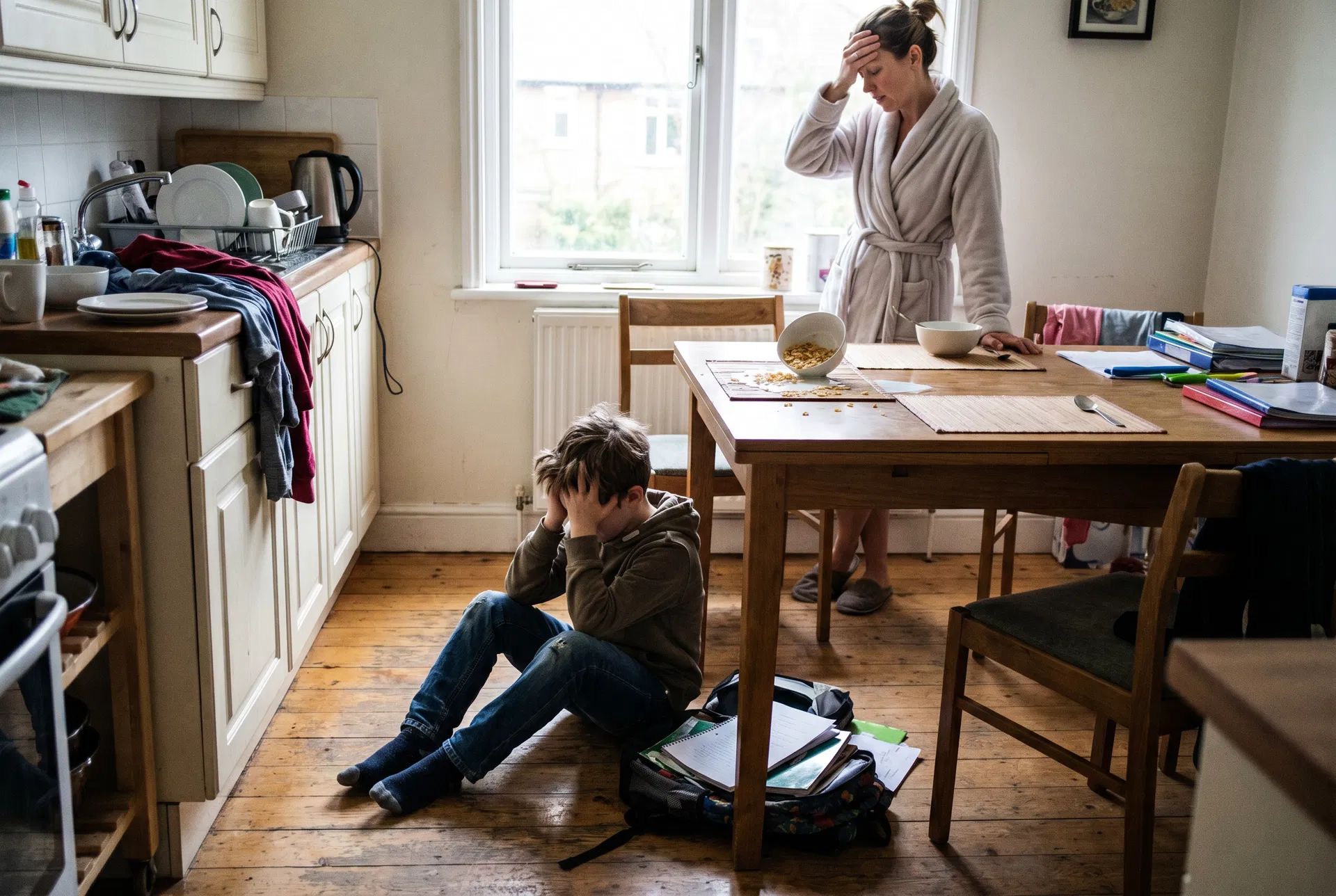
You go in. You call their name. You shake their shoulder. You raise your voice. And then — when they finally do wake up — it's not calm. It's not gradual. It's a full sensory explosion before they've even opened their eyes.
The crying. The resistance. The complete shutdown. Or the fight-or-flight that sends them into a meltdown before the day has even started.
By the time you both leave the house, you're dysregulated. They're dysregulated. The whole day feels ruined from the first minute.
Sound familiar?
If this is your morning routine, you're not alone — and it's not your parenting.
But here's what nobody told you.
It's not about willpower. It's not about discipline. And it's not about how much your child wants to cooperate.
New research into neurodivergent brain function has revealed something that changes everything about how we think about morning routines for kids with ADHD and sensory processing differences.
And once you understand it, the chaos finally makes sense.
The Parent Who Couldn't Take It Anymore
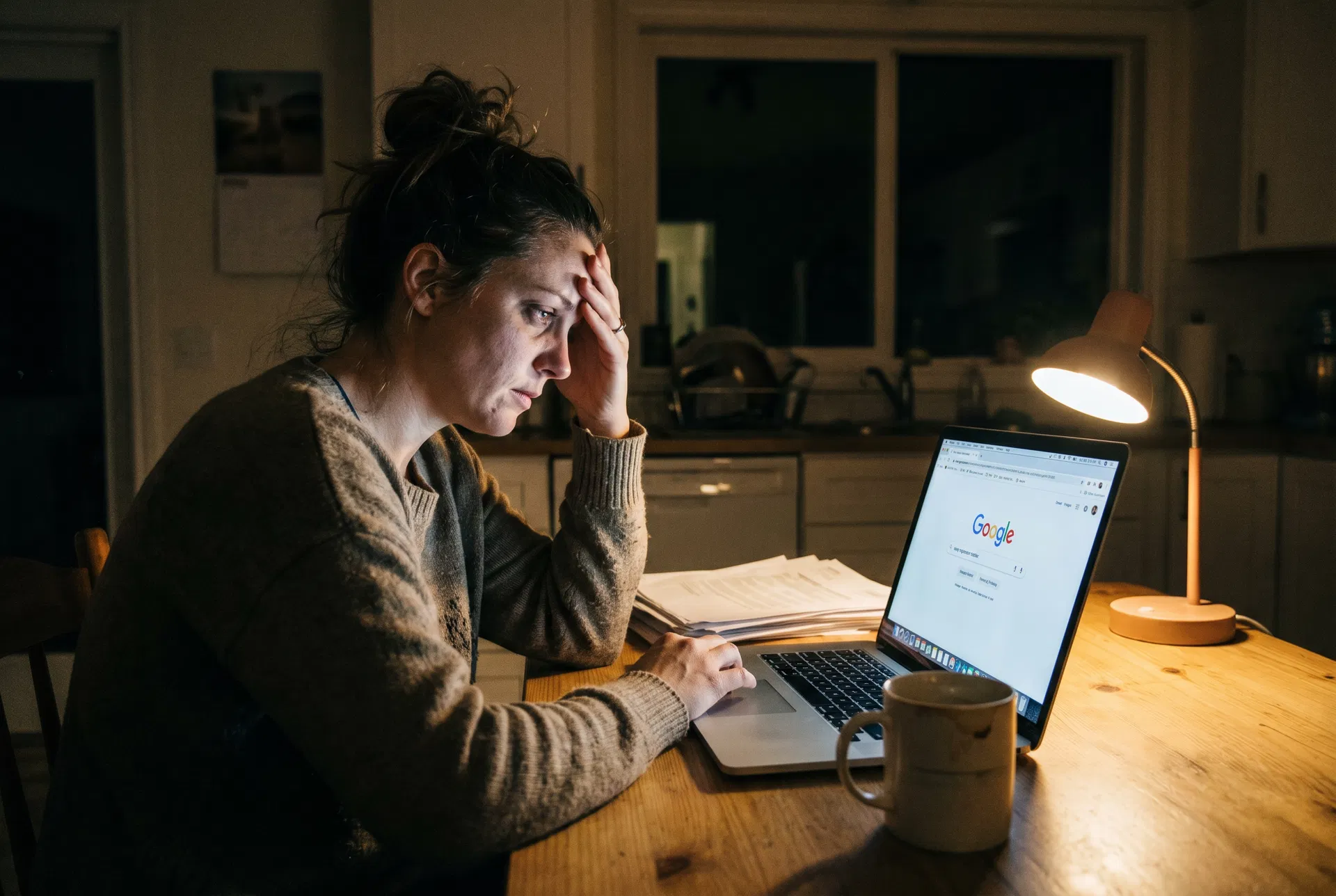
Rachel is a mom from Manchester. Her 9-year-old son Ethan has ADHD and significant sensory processing challenges.
For three years, mornings in their home were a war zone.
"I tried everything," Rachel says. "Multiple alarms. Gradual light alarms. Reward charts for getting up on time. I even tried waking him up 20 minutes early so he'd have time to regulate before school."
Nothing worked.
Ethan would sleep straight through alarms. Or worse — the sudden noise would hit his nervous system like a siren, triggering immediate meltdown, crying, and shutdown before he was even out of bed.
"I'd end up gently shaking his shoulder, calling his name, sometimes raising my voice just to break through," Rachel says. "By the time we left the house, we were both completely dysregulated. No one was calm. The day felt ruined from the first minute."
Then she started thinking ahead — and it scared her.
"What happens when he's older? School trips, college, first jobs, sleepovers… I won't always be there to ease the transition. Will loud alarms in a shared space trigger the same overwhelm? Will he miss opportunities because mornings are too hard on his sensory system?"
The Hidden Reason Sound Alarms Fail Neurodivergent Kids
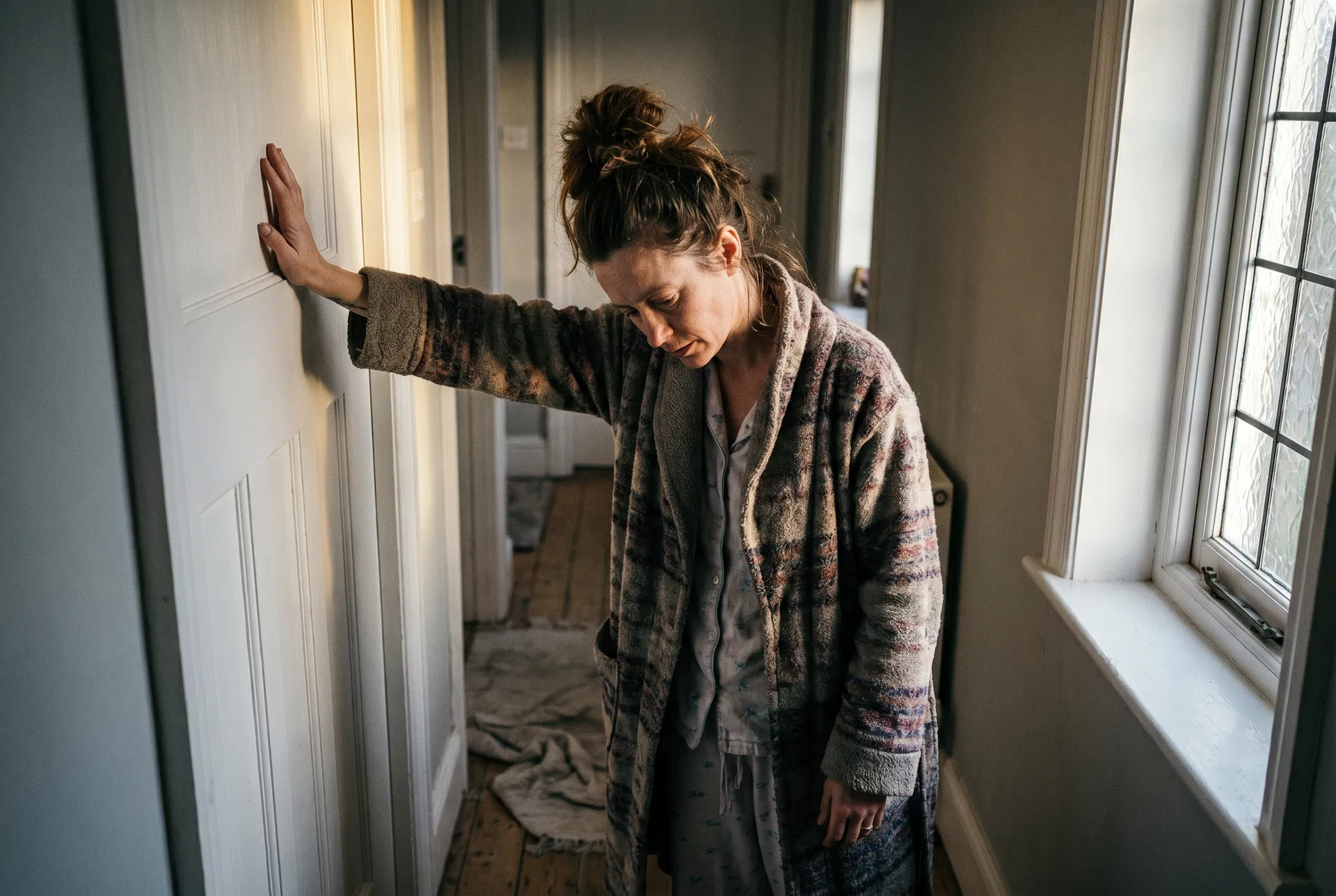
Rachel's late-night research led her to something that finally explained everything.
Many neurodivergent brains — especially those with ADHD or sensory processing differences — filter out auditory signals during sleep. The brain treats alarms like background noise. Louder alarms don't help. More alarms don't help.
And for kids with sound sensitivities, sudden noise does something far worse: it spikes cortisol and triggers dysregulation instantly.
"We weren't solving the real problem," Rachel realized. "We needed a different pathway entirely."
Here's what happens when a sound alarm goes off for a child with ADHD or sensory processing differences:
- 1The alarm sound hits their auditory system while still in deep sleep. Their brain can't filter it — so it either ignores it completely, or treats it as a threat.
- 2Instead of a gentle wake-up, the sound triggers an immediate stress response. Their nervous system floods with cortisol and adrenaline.
- 3Their heart races. Their body goes into fight-or-flight. All of this happens before they're even conscious.
- 4By the time their eyes open, they're already in full dysregulation mode — and no amount of calm parenting can undo what their nervous system just experienced.
Why Nothing Else Works
Rachel had tried everything parents try. Here's why none of it worked:
- ✗Louder alarms? Makes the sensory overload worse.
- ✗Multiple alarms? Multiple panic triggers in a row.
- ✗Wake-up lights? Don't solve the sound problem.
- ✗Waking them yourself? Can't do that forever. Doesn't build independence.
"All of these solutions ignore the real problem," Rachel says. "The problem is the sound itself."
And the consequences aren't just about hard mornings. When your child starts every day in dysregulation mode, it affects everything — their anxiety builds, their confidence drops, their school performance suffers.
The Solution That Changes Everything
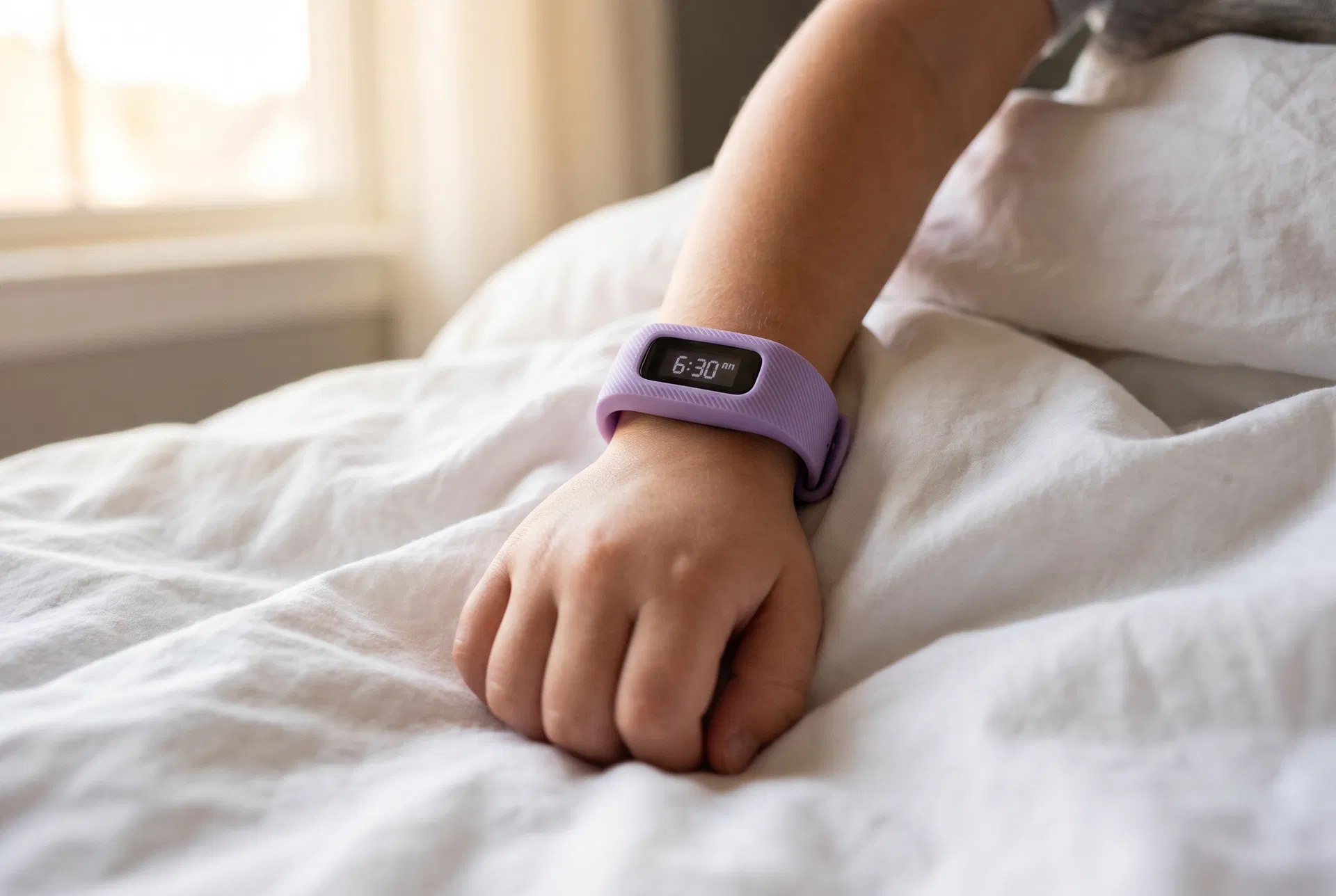
Rachel's research pointed clearly to one answer: vibration.
Unlike sound, vibration bypasses the ears entirely and travels through the skin. The tactile signal often reaches neurodivergent brains faster — and feels far less threatening. No jarring sound. No instant sensory overload. No meltdown.
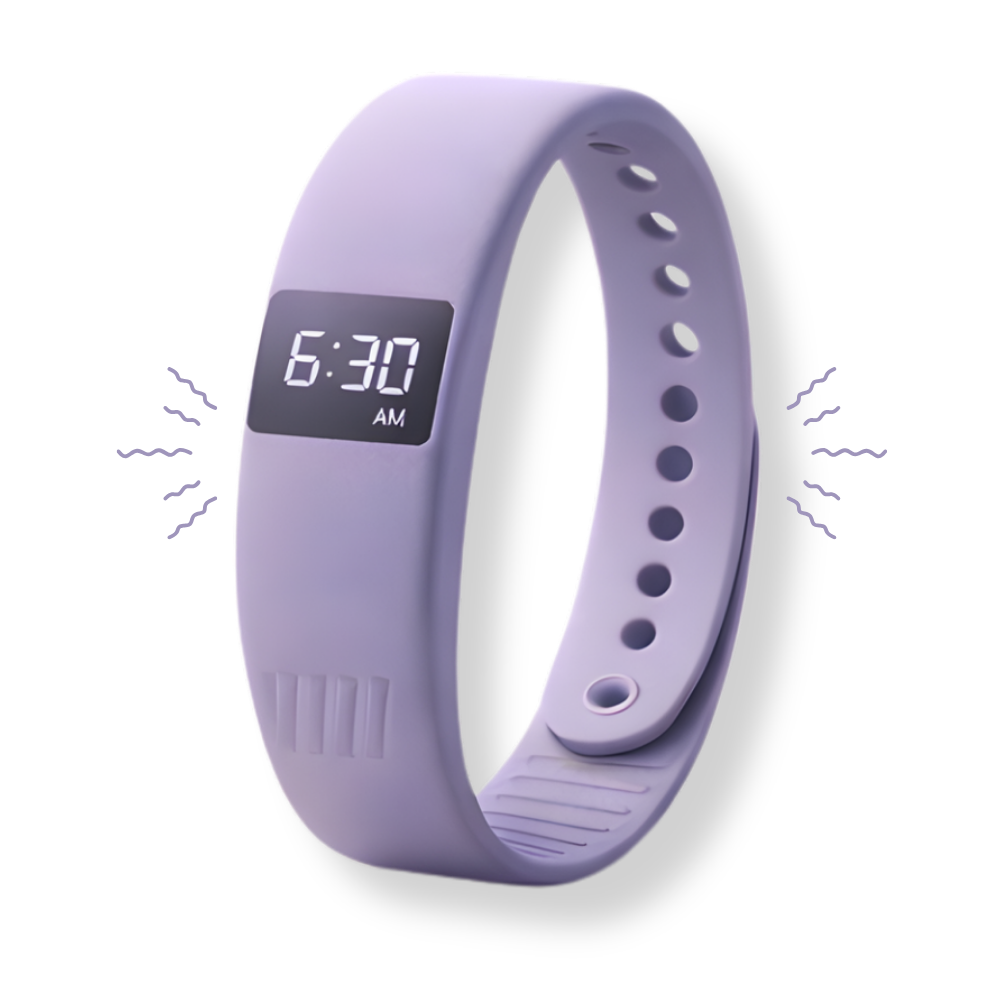
She started looking for solutions that used gentle but effective vibration instead of sound. Bed shakers got kicked off or ignored. Then she found Nymera CalmRise — a lightweight, comfortable wristband made specifically for neurodivergent kids and teens who don't respond to sound alarms or get overwhelmed by them.
Here's how CalmRise works differently:
- ✓Gentle vibration to the wrist — no sound, no startling
- ✓Nervous system processes touch as safe, not a threat
- ✓Wakes the body first, then the brain — no stress response
- ✓No panic. No overwhelm. Just a calm, gradual wake-up
- ✓Completely silent — won't disturb siblings
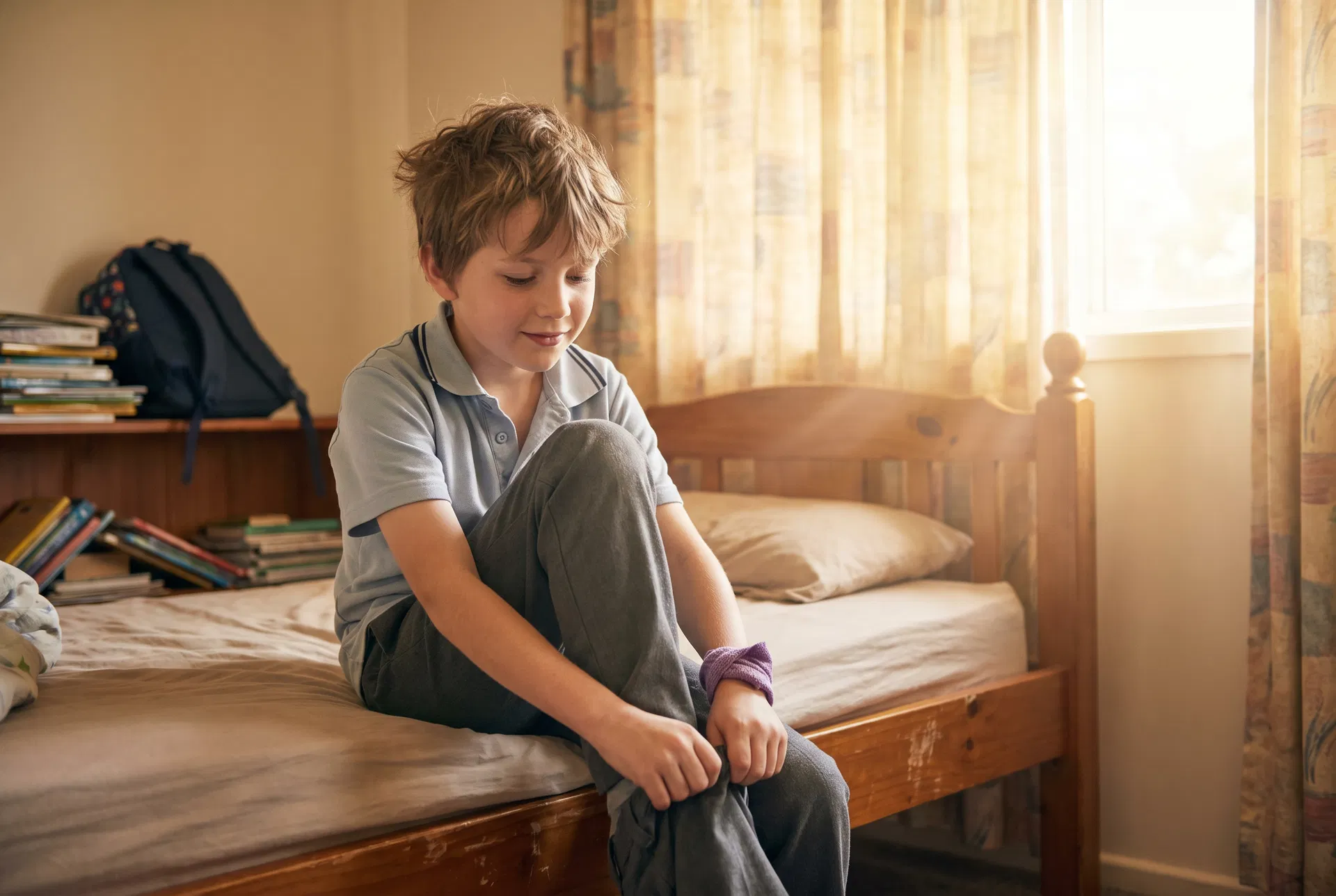
The First Morning
Rachel put the Nymera CalmRise on Ethan's wrist that night. She set it for his usual wake time and stayed in the other room. No entering his space. No calling out. No risk of sound triggering anything.
A couple of minutes after the set time, she heard quiet movement.
He got up on his own. Went through his routine at his pace. No meltdown. No resistance. No overwhelm.
Calm. Regulated. Independent.
"I stood in the hallway with my hand over my mouth," Rachel says. "I didn't want to make a sound and break whatever was happening."
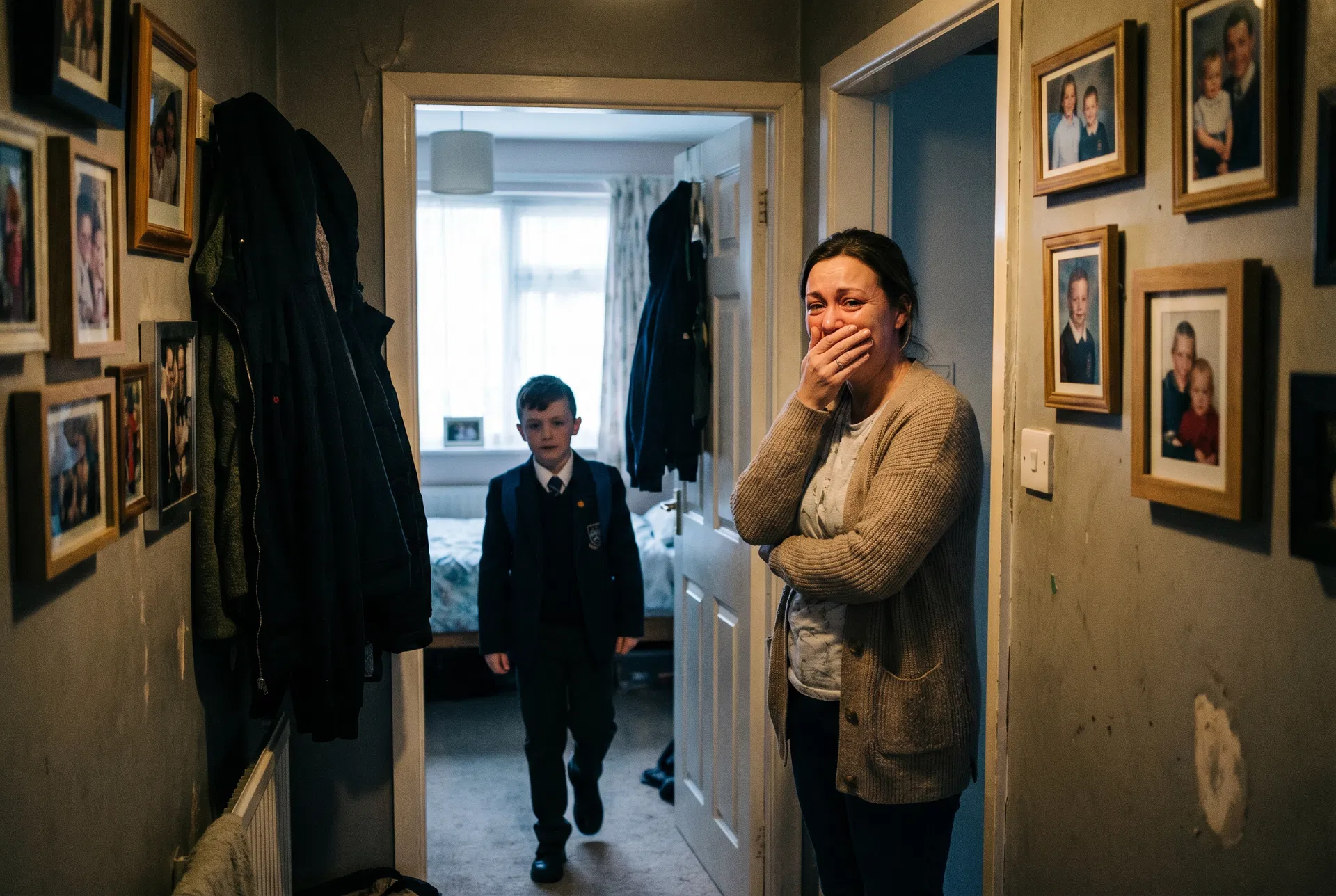
Weeks later, it's still working.
Mornings are noticeably gentler. Less dysregulation. More time for the sensory supports Ethan actually needs. He's even starting to feel proud of waking himself up.
"For the first time I'm not lying awake quite as worried about future transitions," Rachel says. "Because he's practicing independence now, with a tool that actually respects his nervous system."
It's Not Just Rachel
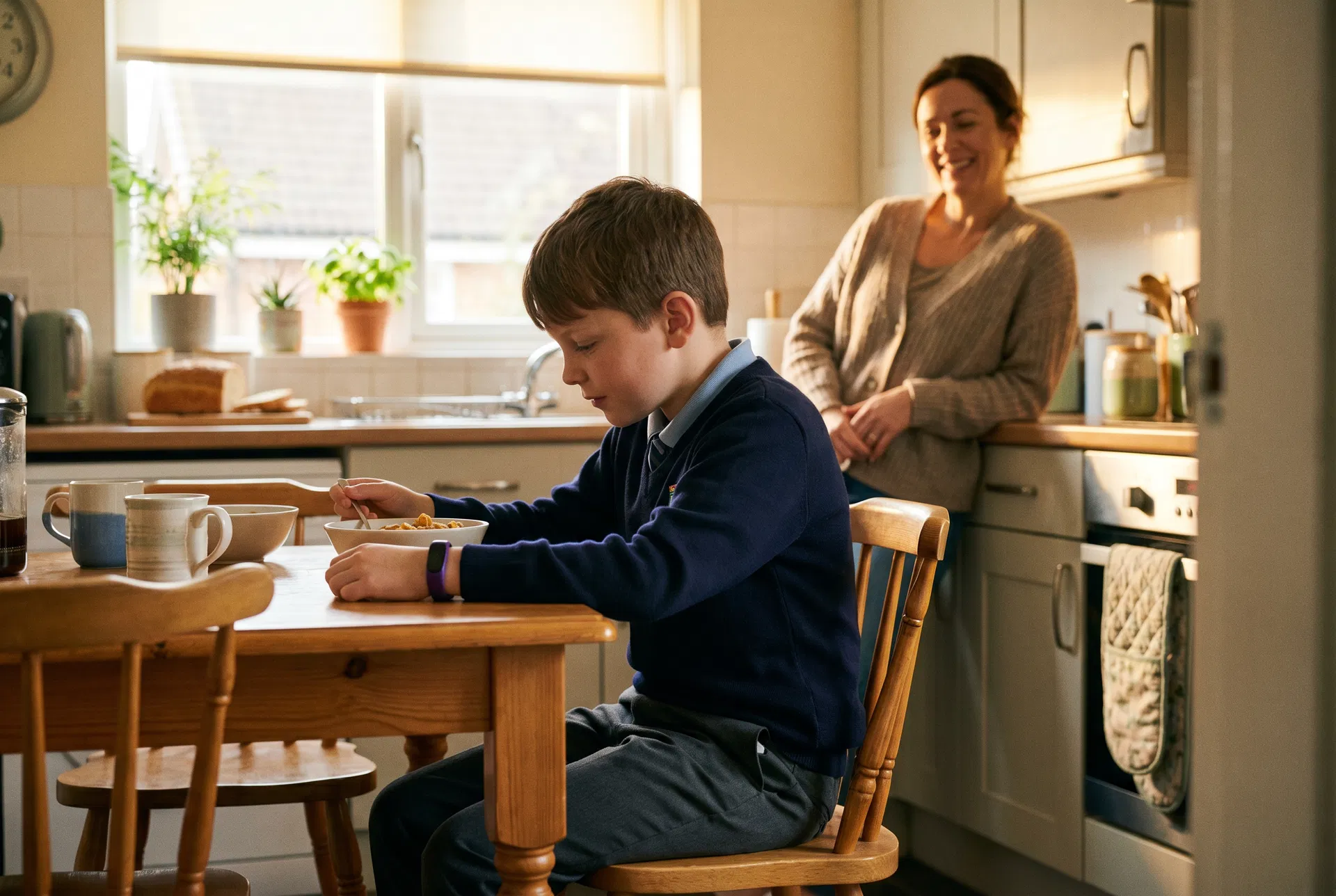
Since launch, over 28,000 families have discovered the Nymera CalmRise. The stories are remarkably consistent:
My sensory-sensitive son used to have full meltdowns from any alarm. Now he wakes calmly and independently. I cannot overstate how much this has changed our mornings.
Michelle R. — Austin, TX
Our neurodivergent teen is finally building real morning independence — no more yelling or fights to start the day. He actually sets it himself now.
David K. — Chicago, IL
Calm, regulated mornings instead of chaos. It's been life-changing for our whole family. I wish we'd found this three years ago.
Jennifer L. — Seattle, WA
We tried everything. Reward charts, threats, bribery — nothing worked. Nymera CalmRise solved our morning problems in less than a week. I'm genuinely emotional writing this.
Marcus T. — Atlanta, GA
End Morning Meltdowns or Money Back!
Trusted by 28,000+ Families
28,247 customer ratings
⚡ LIMITED TIME: 30% OFF
The results across 28,000+ families are consistent:
- ✓Calmer, regulated wake-ups without sensory overload
- ✓Independent mornings — no parent intervention needed
- ✓Better school attendance and on-time departures
- ✓Reduced anxiety throughout the day
- ✓Stronger parent-child relationships
Common Questions Parents Have
Why This Matters Right Now
Word about Nymera CalmRise is spreading fast among ADHD parent communities, occupational therapists, and pediatric neurologists.
But here's what really matters:
Every morning your child wakes up in dysregulation mode, the pattern gets harder to change. Their brain gets used to starting the day with stress. Their anxiety builds. Their confidence drops.
The sooner you give their nervous system a different experience, the better.
What You Get
The Nymera CalmRise includes:
- ✓Adjustable wristband — fits ages 5+
- ✓Strong-but-gentle vibration with graduated intensity
- ✓Up to 30 days battery life
- ✓Lightweight & hypoallergenic
- ✓Completely silent — no lights, no sounds
- ✓Waterproof design
- ✓Free smartphone app for easy setup
The Investment
When Rachel first learned about Nymera CalmRise, she was ready to pay anything.
"I would have paid hundreds to fix our mornings," she says. "The therapy sessions alone were costing us far more than this."
But Nymera CalmRise isn't expensive. And right now, parents reading this can save 30% off the regular price.
🛡️
60-Day Money-Back Guarantee
If you don't see calmer mornings, send it back. You risk absolutely nothing.
Two Choices
Choice One:
Tomorrow morning, same alarm goes off. Same meltdown. Same battle before school. Your child starts another day in dysregulation. You feel helpless again. And every day this continues, the pattern gets harder to break.
Choice Two:
Tomorrow morning, gentle vibration wakes your child up. They open their eyes calm and regulated. They get out of bed on their own. No screaming. No fighting. No tears. You both actually smile at breakfast.
Imagine that morning. Now imagine a week of those mornings. A month. A year.
No more war zone. No more guilt. No more dreading the alarm.
Just calm, peaceful mornings where your child wakes up feeling capable — and you feel like the parent you want to be.
⚡ LIMITED TIME OFFER
Special Offer — Save 30% Today
Get your Nymera CalmRise at the lowest price
- ✓ Adjustable wristband (ages 5+)
- ✓ Hypoallergenic & waterproof
- ✓ Up to 30 days battery life
- ✓ 60-Day Money-Back Guarantee
- ✓ Pediatrician Recommended
- ✓ Free Shipping
Free Shipping · Limited Time · 60-Day Money-Back Guarantee
What Kind Of Morning Do You Want Tomorrow?
Your child deserves to wake up calm.
You deserve peaceful mornings.
Nymera CalmRise makes both possible.
Join the 28,000+ families who've already ended the morning battles.